
Facelift Surgery in Sandusky, Ohio
Facial aging involves more than loose skin. Over time, the deeper tissues of the face descend, jowls develop, and facial volume diminishes.
At Surfield Plastic Surgery, Dr. Gregory Surfield uses individualized facelift techniques, including traditional SMAS and deep-plane approaches, to restore more youthful facial contours. Facial fat grafting is frequently incorporated to replace lost volume and create a balanced, natural-looking result.
Our goal is to help you look refreshed and rejuvenated while maintaining the features that make you uniquely you.
How Is a Facelift Performed?
Facelift surgery is designed to restore more youthful facial contours by addressing sagging skin and the underlying tissues of the face and neck.
Dr. Gregory Surfield tailors each facelift procedure to the patient’s individual anatomy, degree of facial aging, and desired results. Depending on these factors, different surgical techniques may be used, including traditional SMAS facelift techniques, deep-plane approaches, or more limited procedures.
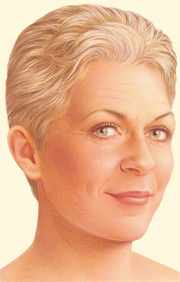
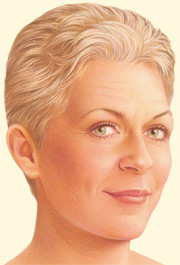
Rather than simply tightening the skin, facelift surgery may involve repositioning and supporting deeper facial tissues to improve the appearance of jowls, restore jawline definition, and create a more natural-looking contour.
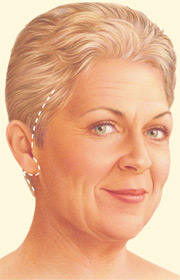
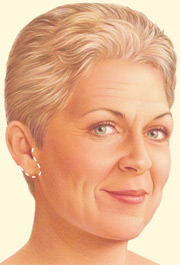
Incisions are generally placed around the ears and may extend into the hairline, allowing scars to be concealed as much as possible within natural contours.
For patients with significant neck laxity, additional neck-lifting techniques may be recommended to achieve a balanced improvement in the lower face and neck.
The goal is to create a refreshed, natural appearance without an excessively tight or artificial look.
During your consultation, Dr. Surfield will evaluate your facial structure and discuss the surgical approach most appropriate for your goals.
Combining Facelift Surgery with Facial Fat Grafting
Facial aging involves more than just loose or sagging skin. Over time, the face also loses volume in areas such as the cheeks, temples, and around the eyes and mouth. This combination of tissue descent and volume loss can contribute to a tired, hollow, or aged appearance.
At Surfield Plastic Surgery, Dr. Gregory Surfield routinely incorporates facial fat grafting into facelift procedures when appropriate to help restore lost volume and improve overall facial balance.
Fat grafting involves gently removing a small amount of fat from another area of the patient’s body, processing it, and carefully transferring it to selected areas of the face.
While the facelift repositions and supports sagging facial tissues, fat grafting restores volume in areas where it has diminished. Together, these techniques can address multiple aspects of facial aging.
Potential benefits of combining these procedures include:
-
Restoring fullness to hollow or flattened cheeks
-
Improving facial contours and balance
-
Softening selected facial depressions and folds
-
Creating a more refreshed, natural-looking appearance
-
Addressing both facial sagging and volume loss during one surgical session
Not every patient requires the same amount or placement of fat grafting. Dr. Surfield individualizes treatment based on facial anatomy, existing volume, and aesthetic goals.
Some transferred fat is naturally reabsorbed during healing, while the surviving fat may provide long-lasting volume improvement. Results vary, and additional treatment is occasionally necessary.
Facelift Surgery and Anesthesia
Facelift surgery at Surfield Plastic Surgery is performed under general anesthesia to ensure patient comfort throughout the procedure.
Dr. Gregory Surfield individualizes each facelift based on the patient’s facial anatomy, degree of aging, and aesthetic goals. Depending on the patient’s needs, surgery may include traditional SMAS techniques, deep-plane techniques, neck rejuvenation, and facial fat grafting.
The length of surgery varies depending on the extent of correction and whether additional procedures are performed.
Following surgery, patients are monitored during their initial recovery from anesthesia and receive detailed postoperative instructions.